A well-built heavy-duty stool serves as a reliable support system across demanding work environments that require consistent posture control and secure balance. Engineers focus on stability principles that reduce risk and enhance comfort across extended use, especially within industrial and technical settings. Each component plays a defined role in how the stool performs under pressure and maintains dependable support during daily tasks.
Material selection and structural integrity all contribute to a stable seating solution that resists wear and maintains form over time. Designers evaluate load distribution, center alignment, and mechanical resistance to ensure that each stool performs with confidence across varied surfaces. Stability engineering in heavy-duty stools supports safety and reinforces user trust in environments that demand precision and steady positioning.
Structural Frame Integrity
A reinforced steel frame provides a solid foundation that supports heavy loads without deformation under pressure across extended use cycles. Engineers test each joint to confirm that it resists stress and maintains alignment under repeated shifts in weight distribution. Precision welding techniques ensure that every connection remains firm and stable throughout demanding conditions across industrial and technical environments.
Base Design and Load Distribution
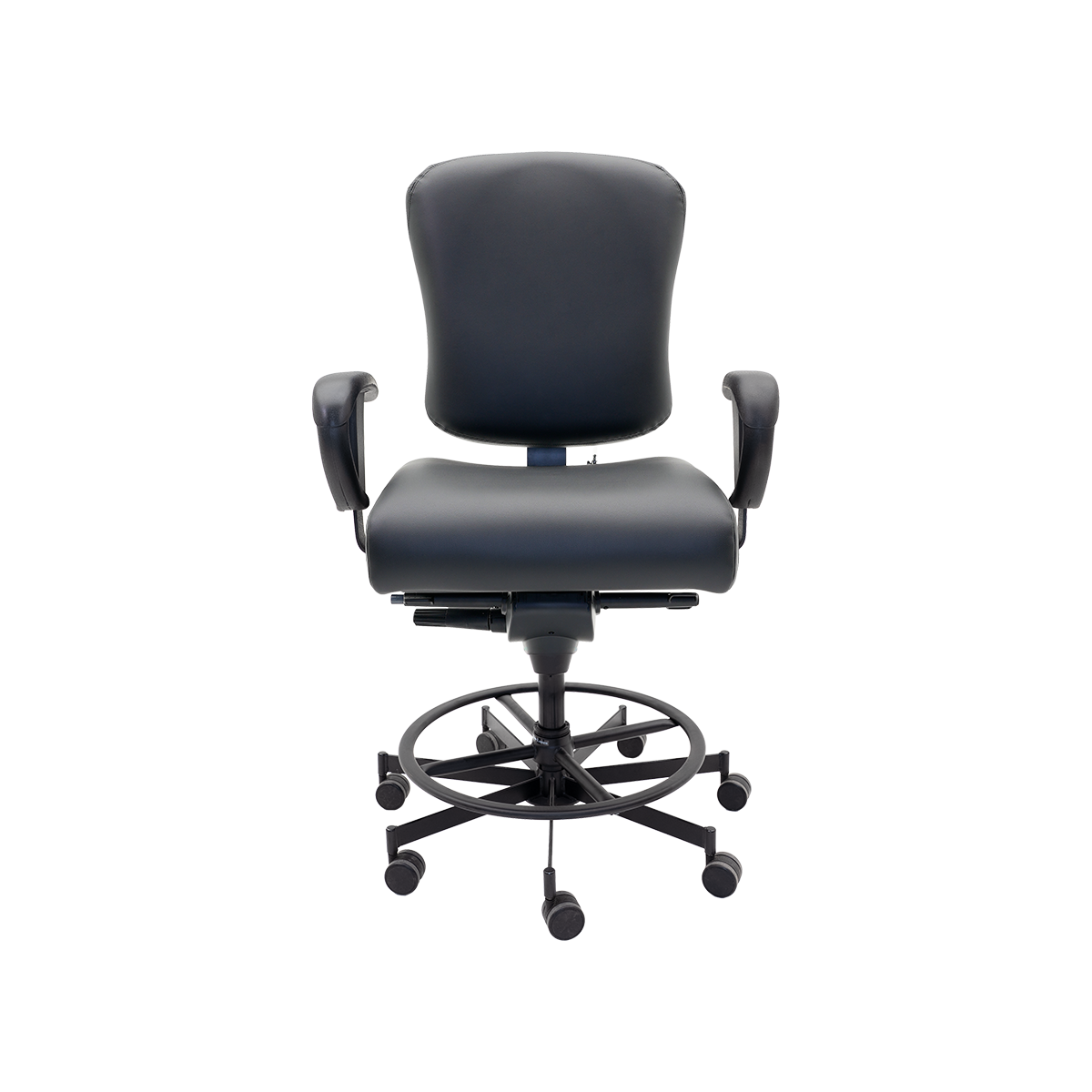
A wide base enhances contact with the floor and distributes weight evenly across all support points during use in demanding conditions. Engineers calculate optimal base diameter to maintain stability without limiting movement or access within compact workspaces or technical environments. Each leg or support arm contributes to a balanced structure that resists tipping and ensures consistent support under dynamic loads.
Long-Term Performance Assurance
Investing in a high-quality heavy-duty office stool will ensure consistent stability across demanding environments and support reliable performance through extended use cycles. Engineers design each component to resist wear and maintain function under continuous pressure without failure. Regular maintenance supports continued performance and helps preserve structural integrity across years of use within technical and industrial settings.
Adjustable Height Mechanisms
Height adjustment systems allow users to align seating position with work surfaces and maintain proper posture across varied tasks and environments. Engineers design lift mechanisms that operate smoothly and lock securely to prevent unintended movement during use under heavy loads. Precision components ensure reliable function across repeated adjustments.
Reinforced Support Rings
Support rings provide additional structural reinforcement and serve as footrests that enhance comfort and balance during extended seated tasks across environments. Engineers attach these components securely to maintain alignment and prevent movement under load across daily use cycles. This feature supports ergonomic posture and enhances overall stability without compromising structural integrity
Stability engineering in heavy-duty stools defines effectiveness and determines how well it performs under demanding conditions across professional environments. Each design choice contributes to a balanced structure that supports user safety and ensures dependable performance during daily tasks. From frame construction to material durability, every element works together to create a reliable seating solution.