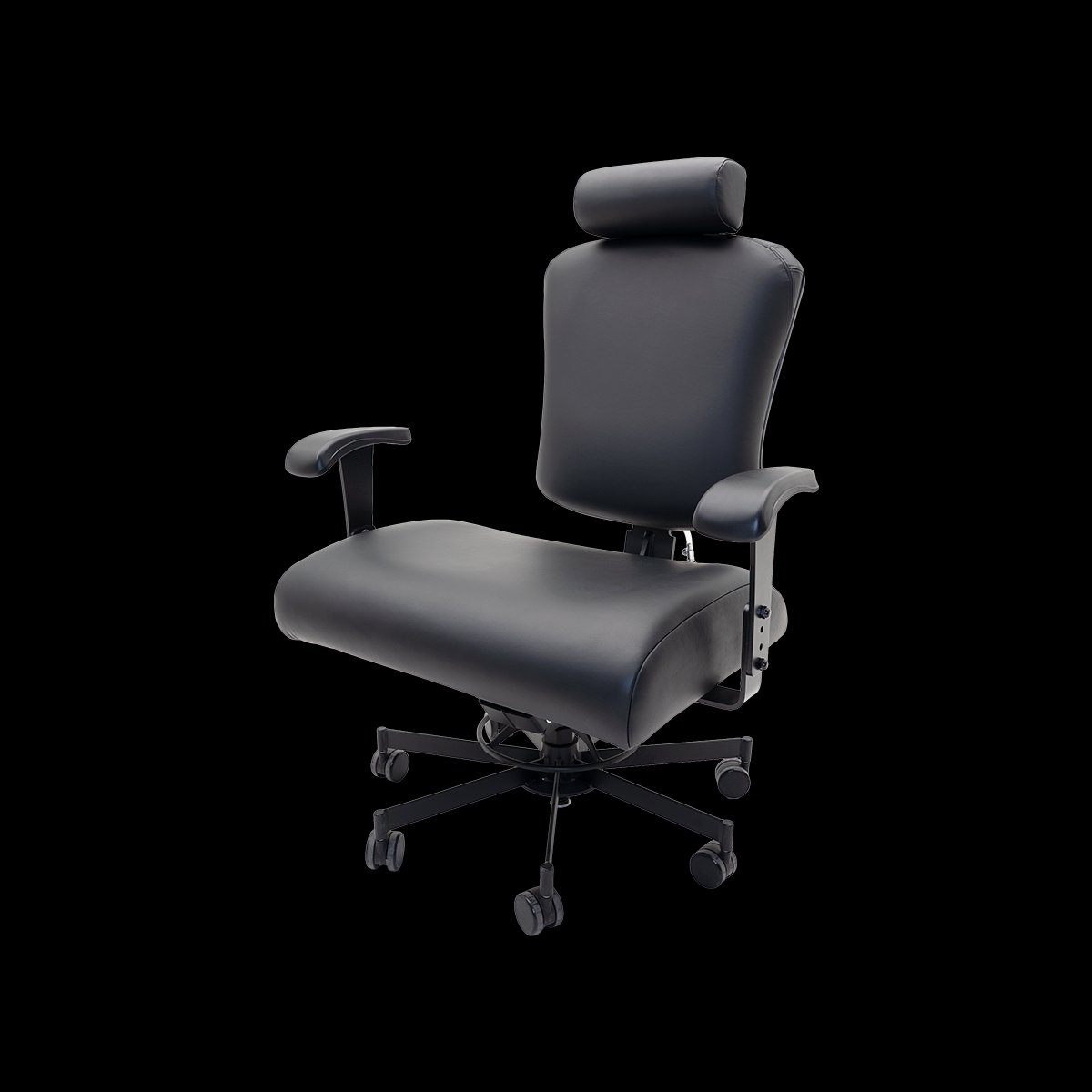
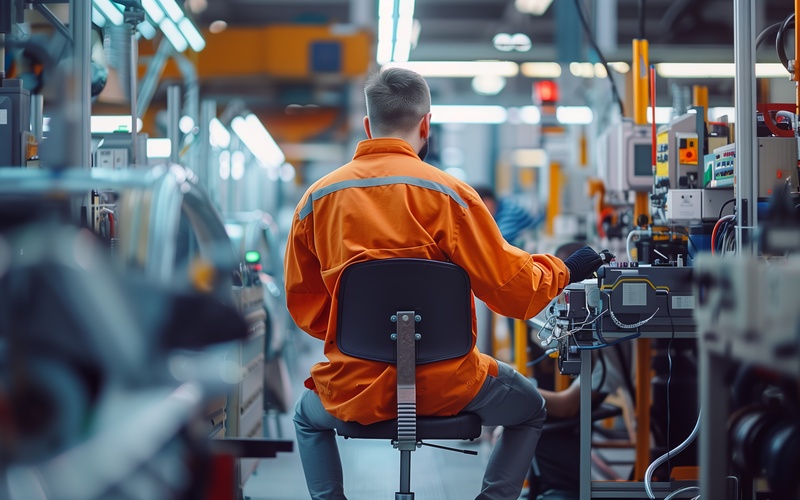
Selecting a reliable stool for assembly line workers requires careful attention to comfort, durability, and posture support across demanding production environments. Workers spend extended hours at fixed stations, and proper seating reduces fatigue and supports consistent output across repetitive tasks. Learning how to evaluate features and ergonomics will help select a 24/7 stool for assemble line workers to match workplace demands with dependable seating.
Understanding Workplace Demands
Assembly environments require equipment that supports endurance under repetitive motion and constant use across long shifts within production areas. Production floors expose stools to vibration and contact with oils and debris that challenge material surface resilience. A stool must resist wear and maintain structural integrity under heavy use to prevent downtime and reduce replacement frequency across demanding environments.
Ergonomic Support Essentials
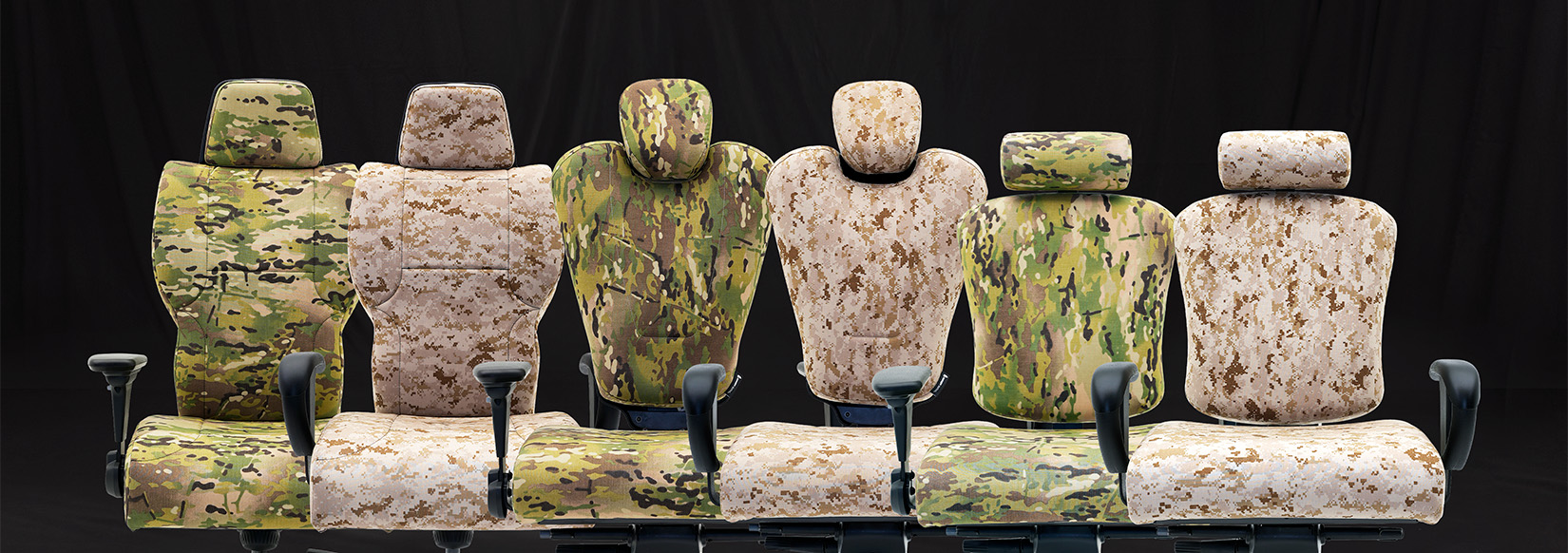
Proper ergonomic design reduces strain on joints and muscles and helps workers maintain neutral posture during repetitive tasks across extended work periods. Seat height, tilt, and lumbar support must align with the worker’s body dimensions to prevent discomfort and improve sustained concentration during each shift. Adjustable components allow customization for different users, ensuring each worker achieves a comfortable position that supports productivity and reduces fatigue.
Material Durability Considerations
High-quality materials determine how well a stool withstands heavy use and exposure to industrial conditions. Steel frames and reinforced joints provide strength that supports consistent load capacity without bending or failure under continuous operational stress. Seat surfaces must resist tears, compression, and chemical exposure to maintain comfort and hygiene across varied industrial settings with strict maintenance expectations.
Choosing the Right Supplier
Reliable suppliers provide products that meet performance expectations and offer support services such as warranties, replacements, and technical assistance when needed. Evaluating supplier reputation and service quality helps ensure that purchased stools perform as expected under demanding industrial conditions over time. A quality heavy-duty stool will ensure consistent support and durability when sourced from trusted providers with proven experience in industrial equipment.
Stability and Safety Features
A stable base prevents tipping and ensures secure seating during repetitive motion tasks that require balance and consistent body positioning across each work cycle. Wide bases and non-slip feet increase grip on industrial flooring, which reduces accident risks in areas with frequent movement and equipment operation. Backrests and arm support add control and help workers maintain posture during detailed tasks that require precision and steady hand coordination.
Selecting the right stool for assembly line workers involves careful evaluation of ergonomics, durability, safety, and adaptability to meet diverse workplace demands effectively. Decision makers must evaluate these features to ensure that selected seating meets operational needs without compromise. Careful selection supports worker health and contributes to consistent output and a more efficient production process.