Calculating return on investment for specialized control room seating requires careful thought, clear metrics, and a practical view of operational needs. Organizations that rely on continuous monitoring environments often face hidden costs related to fatigue and equipment wear.
Poor ergonomics can lead to discomfort and reduced focus, each factor carrying a measurable financial impact. When viewed through a financial lens, calculating ROI for 24-hour control room seating evolves from a simple purchase into a strategic investment with positive returns.
Understanding Control Room Demands
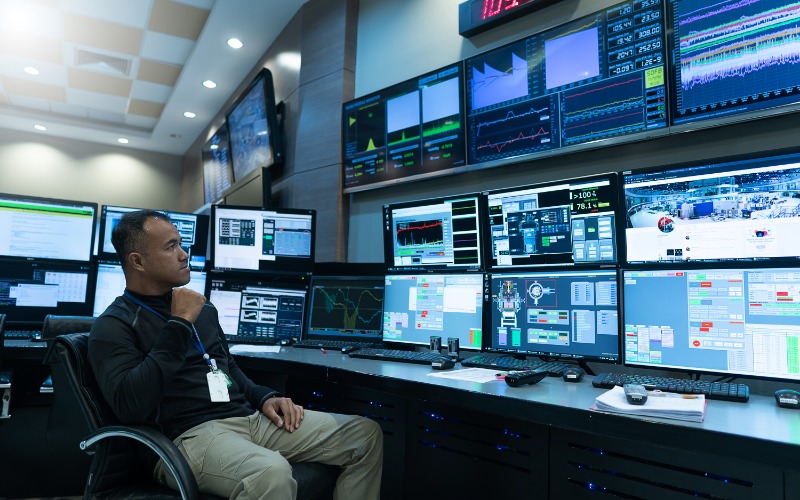
Control room environments require sustained focus and consistent alertness across extended shifts that demand precision and accuracy. Operators often manage complex systems that require constant attention, which places strain on the body and mind during extended duty periods. These conditions elevate the importance of supportive seating that maintains posture and reduces fatigue without distraction or discomfort.
Defining ROI for Seating Investments
Return on investment for seating involves direct costs, indirect benefits, and measurable improvements in health outcomes and operational efficiency. Initial purchase price forms only one component, as durability and user satisfaction also influence total financial performance over time. A clear definition of ROI must incorporate tangible savings and performance gains that support organizational objectives.
Evaluating Health and Wellness Impact
Employee health represents a significant cost factor, with poor seating contributing to musculoskeletal issues that result in medical expenses and absence from work. Ergonomic seating supports posture and reduces strain, which can lower health-related costs and improve overall workforce wellbeing. This improvement reflects directly in reduced claims, fewer sick days, and improved morale within operational teams.
Justifying Premium Seating Investment
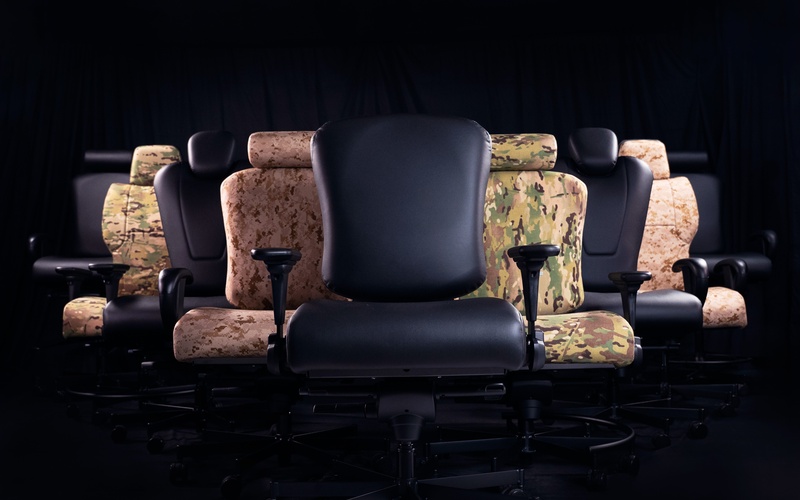
Organizations often hesitate to invest in premium seating due to higher upfront costs, despite clear evidence of long-term financial benefits and performance improvements. A structured ROI analysis can demonstrate how these investments pay off through reduced operational costs and enhanced productivity. A high-quality 24-hour desk chair is the best option to support continuous operation and deliver measurable financial returns across demanding control room environments.
Considering Equipment Durability
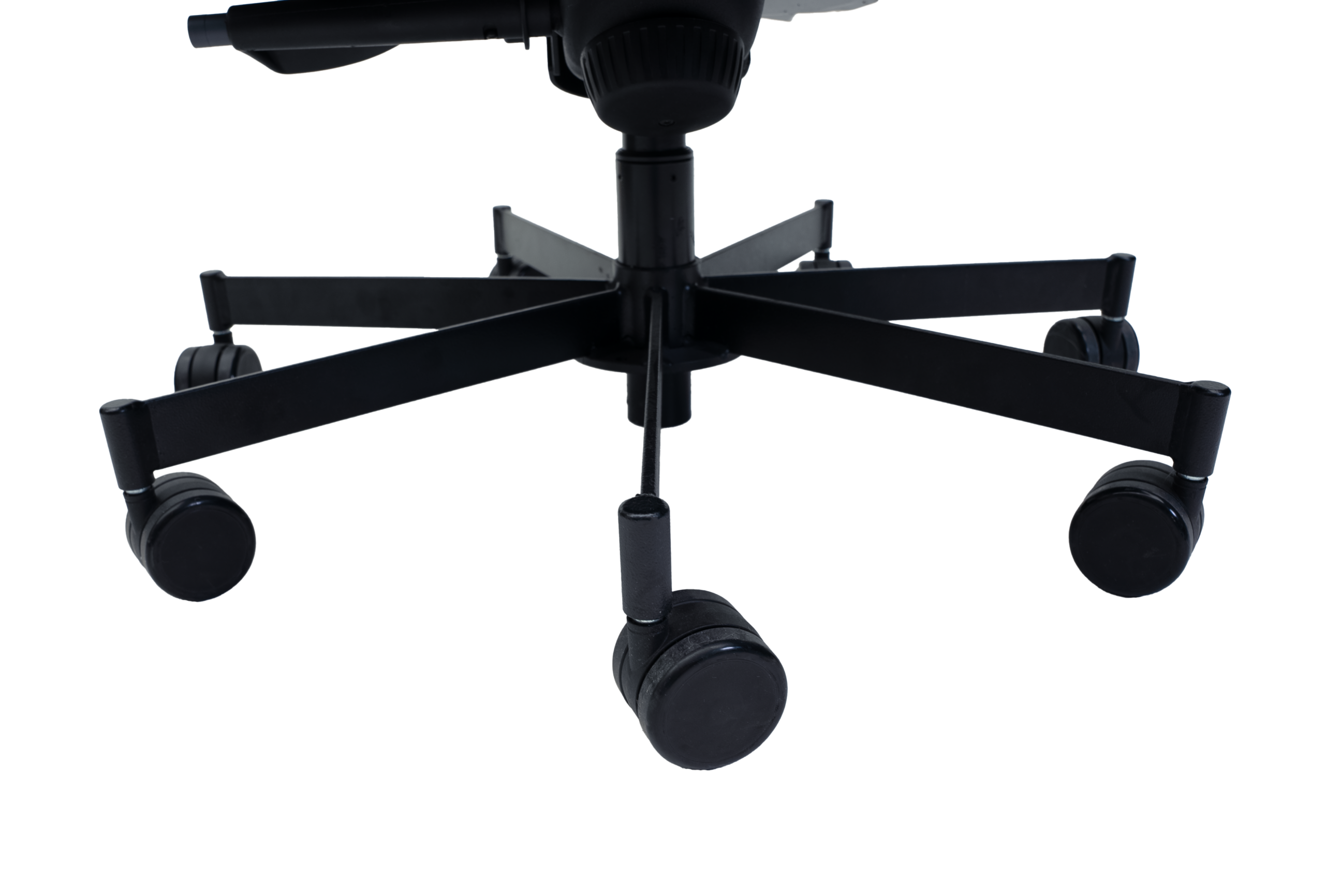
Durability affects the total cost of ownership, as frequent replacement increases expenses and disrupts operations within continuous monitoring environments that require reliability. High-quality seating materials and construction extend product life, reducing replacement frequency. This durability supports consistent performance and minimizes interruptions that could affect operational efficiency.
Calculating ROI for control room seating requires a broad perspective that extends beyond initial cost to include performance, health, durability, and user experience. Organizations that adopt this comprehensive approach gain a clearer understanding of how seating influences operational efficiency and financial outcomes. Strategic investment in quality seating can deliver measurable benefits that support workforce wellbeing and organizational success.