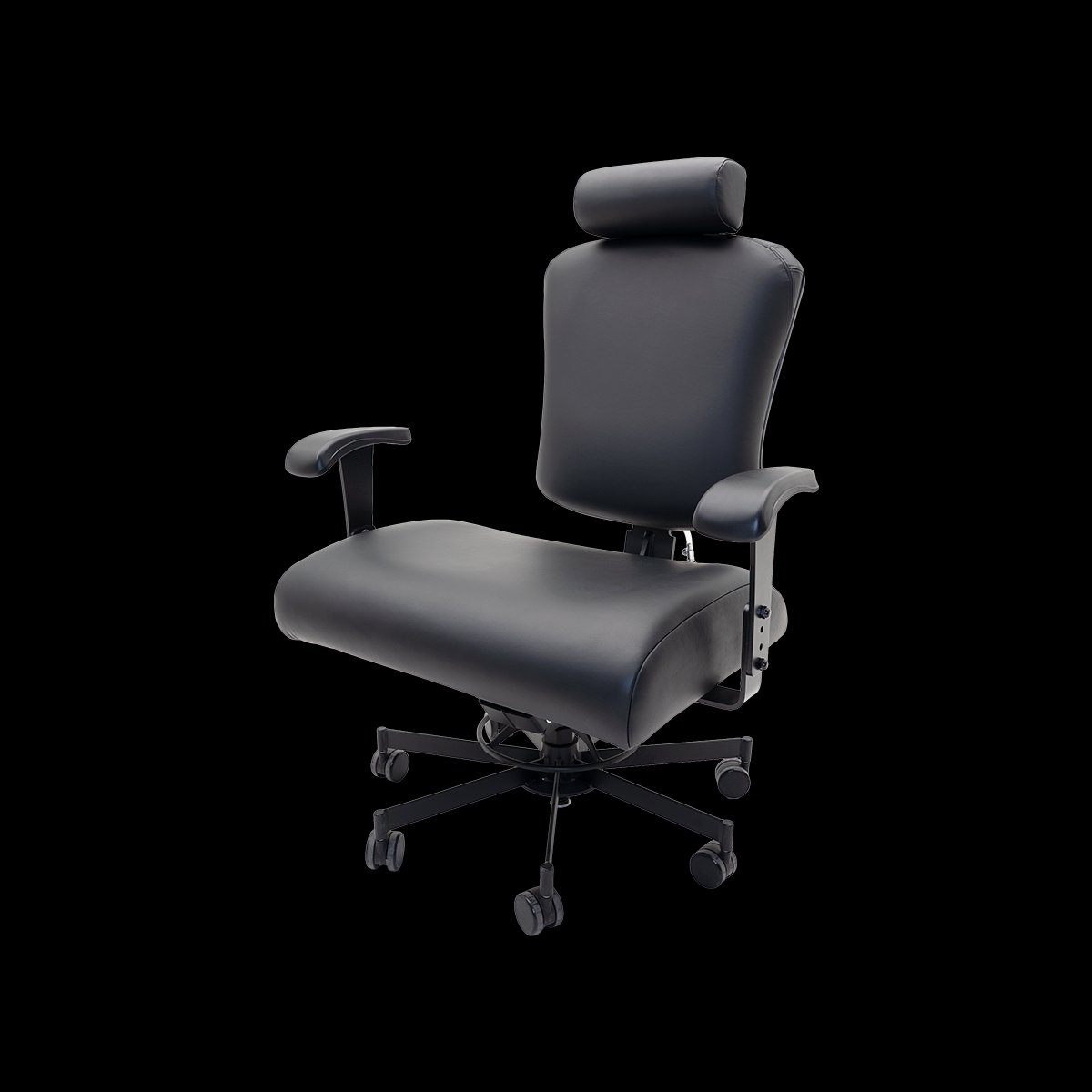
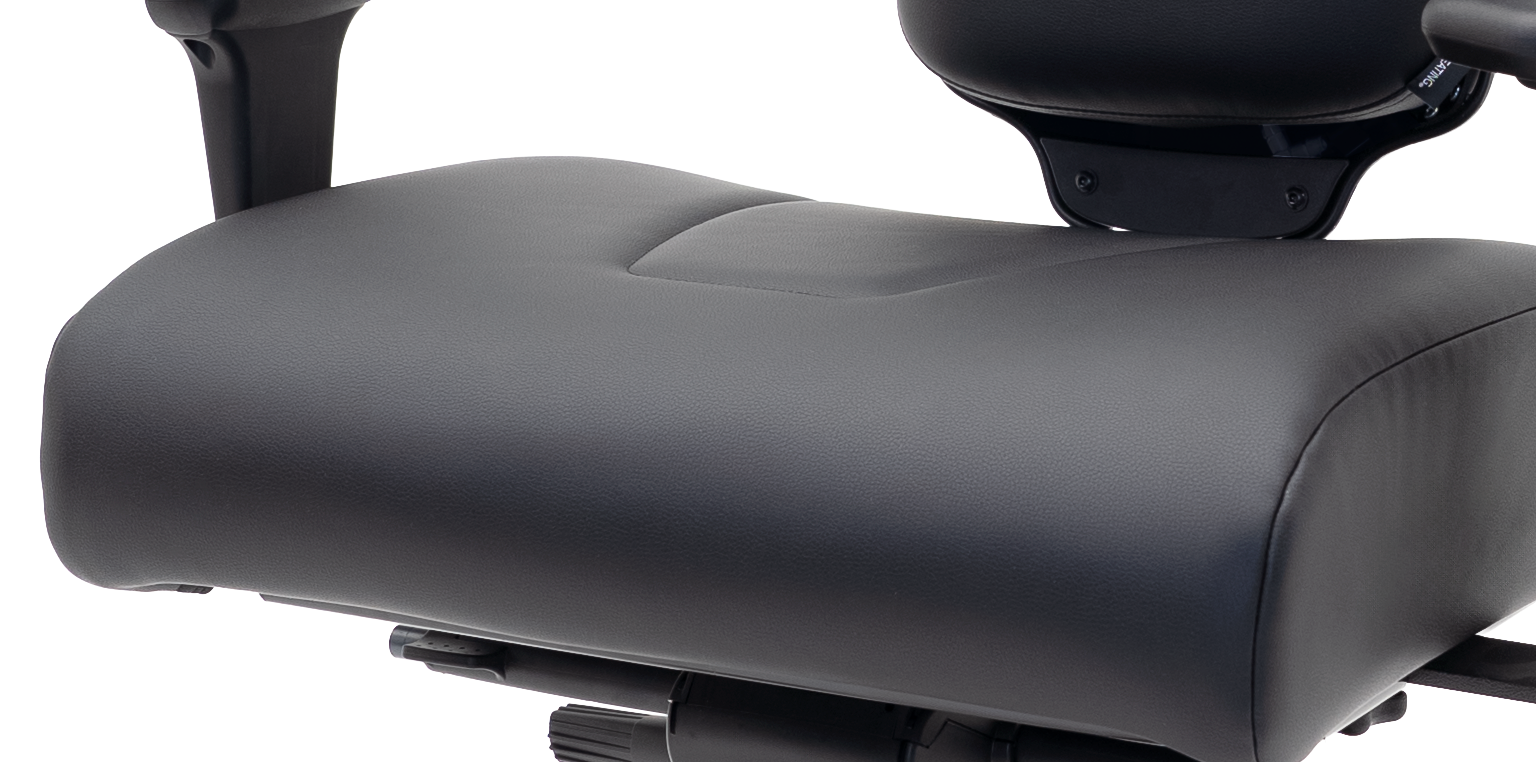
Modern office environments demand durable seating systems that sustain constant use across extended shifts without failure or noticeable comfort decline. Predictive insight into material behavior supports better procurement decisions, maintenance schedules, and ergonomic outcomes across organizations with continuous operations and strict uptime requirements. Understanding foam degradation patterns in 24/7 office chairs within chairs that incorporate Dymetrol suspension requires a view on material science and performance expectations.
Understanding Foam Fatigue in Continuous Use
Foam components experience compression cycles that gradually reduce resilience under constant load across extended operational schedules in demanding office settings. Repeated stress alters cell structure, reduces rebound capacity, and increases permanent set, affecting comfort and support across many work sessions. Dymetrol shares occupant loads with the foam layer, reducing peak stresses in the cushioning material and helping preserve seating performance over time.
Material Behavior Under Load Cycles
Polyurethane foam exhibits viscoelastic behavior that can contribute to compression set and gradual loss of resilience under repeated loading cycles. These effects accelerate degradation in high-use chairs where recovery time remains limited between seated sessions. Dymetrol suspension distributes forces through engineered filaments that flex and recover rapidly, reducing strain placed upon upper cushioning layers during constant occupancy.
Environmental Factors Affecting Degradation
Temperature fluctuations influence foam density and elasticity, altering performance characteristics and accelerating degradation under continuous load conditions within controlled office environments. Environmental conditions, including temperature and humidity, can influence foam performance over time, although usage patterns typically have the greatest impact on service life.. Dymetrol suspension exhibits stability across environmental variations, maintaining a consistent tensile response and reducing reliance on foam behavior under fluctuating indoor climate conditions.
Ergonomic Implications of Degradation
Foam degradation in 24/7 office chairs reduces support uniformity, leading to uneven pressure distribution that can contribute to discomfort and reduced productivity during extended work sessions. Dymetrol suspension maintains structural integrity that supports ergonomic alignment, even as upper cushioning layers experience gradual wear under repetitive use conditions. This stability can help maintain support characteristics over time and may contribute to more consistent seating comfort during extended use.
Strategic Investment Considerations
While suspension materials can significantly influence long-term comfort and support, overall seat durability depends on the interaction between the suspension system, foam specification, frame design, and expected usage conditions.
Organizations should evaluate seating options based on durability, maintenance requirements, and performance consistency to support continuous operational demands effectively. Investing in a quality concept seating 24/7 chair is a wise decision because it aligns material performance with operational needs and reduces total ownership costs. A Dymetrol suspension strengthens this value proposition through enhanced durability and predictable performance outcomes.
Predicting foam degradation within office chairs requires a comprehensive understanding of material behavior, environmental influences, and usage patterns across continuous operational contexts. Integration of Dymetrol suspension transforms this dynamic, reducing reliance on foam and improving performance stability over time. Organizations that prioritize advanced seating design can achieve greater efficiency and reliable support across demanding work environments.