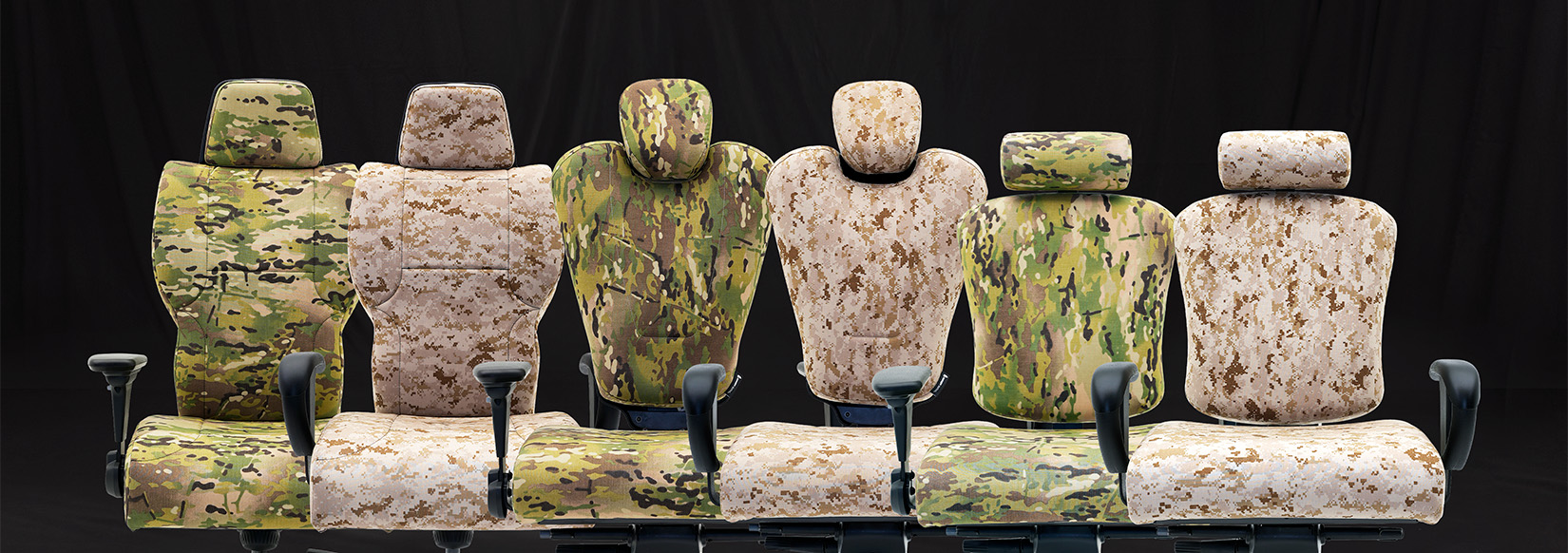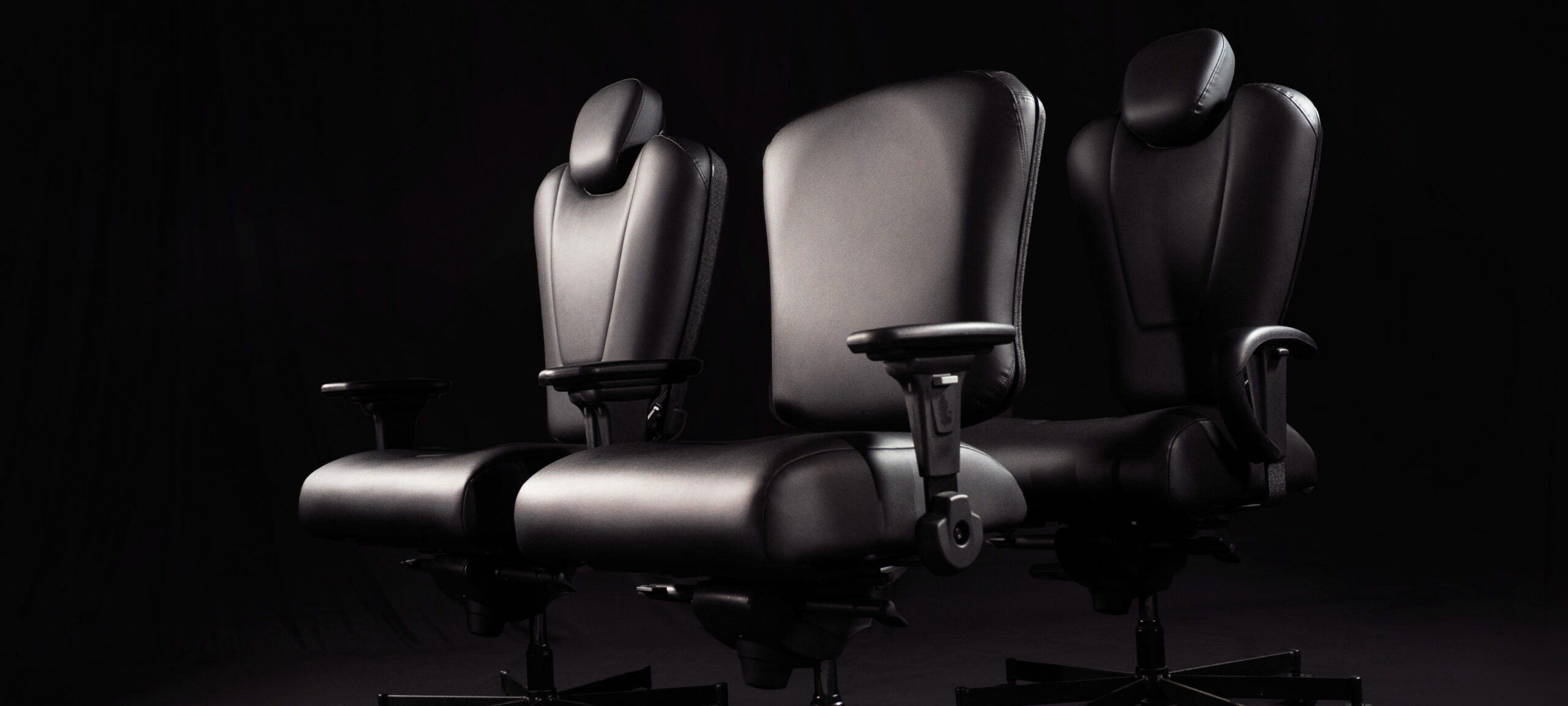
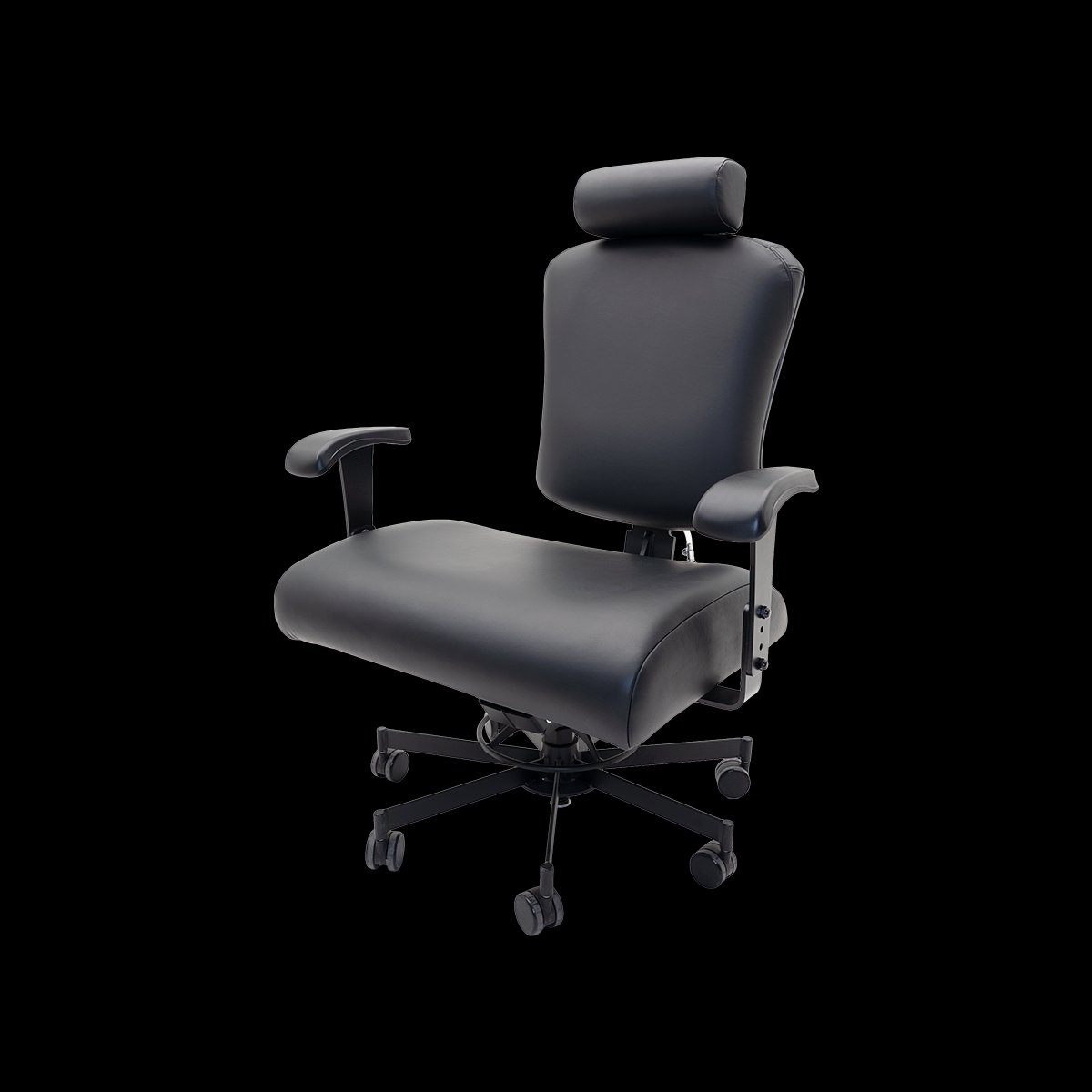
Heavy-duty seating design for bariatric users demands careful thought and disciplined execution across materials and ergonomics. Manufacturers must balance strength with comfort and support diverse body shapes across extended periods of seated work.
Engineers and product teams must translate user needs into measurable specifications and confirm performance through repeatable tests under realistic conditions. Clear communication between design and quality teams reduces risk and aligns decisions with safety outcomes.
Structural Frame Integrity
A robust frame supports high loads without deformation, and it preserves alignment across repeated use under variable conditions and user movement. Designers select steel alloys with known yield strength, and they define tube geometry that resists bending under peak static and dynamic forces. Finite element analysis helps predict stress distribution and identify areas that need reinforcement before prototype fabrication begins.
Load Rating and Safety Margins
Clear load ratings communicate safe use, and they reflect validated capacity under controlled tests that simulate real-world conditions and user behavior patterns. Standards from organizations like ANSI and BIFMA define protocols that manufacturers follow to certify chairs for specified weight limits with appropriate safety margins across components. Engineers include factors of safety that account for variability in materials, assembly, and user dynamics during typical tasks.
Ergonomic Support for Larger Bodies
Ergonomic design must fit diverse body sizes and proportions while providing support across the pelvis, lumbar region, and shoulders during extended seated tasks. Seat width and depth require careful calibration to accommodate larger users without restricting circulation or causing pressure points across sensitive areas. Backrest contour should align with spinal curvature, and it must provide adjustable support that adapts to individual preferences and posture needs.
Adjustment Mechanisms and Controls
Adjustment systems must handle higher loads, and they must provide smooth, reliable operation without sudden movement that could surprise users during seat changes. Gas lifts require appropriate class ratings, and they must meet standards for strength and cycle life under repeated use with heavier occupants. Tilt mechanisms need reinforced plates and pivots to maintain control across full ranges without excessive play or noise.
Value and Product Selection
Purchasing decisions should consider verified capacity service support, and warranties that cover the needed weight range for 24/7 use. Premium heavyweight office chairs are the best option to provide reliable support, enhance comfort, and reduce risk for bariatric users. Vendor reputation, warranty and after-sales service add confidence, and they ensure assistance remains available across the product lifecycle.
Design and production of heavy-duty chairs for bariatric users requires disciplined engineering and rigorous quality control across every component and process. Attention to structure and compliance creates products that protect users and deliver dependable comfort across demanding environments. Organizations that prioritize these factors can equip teams with seating that supports productivity in daily work.