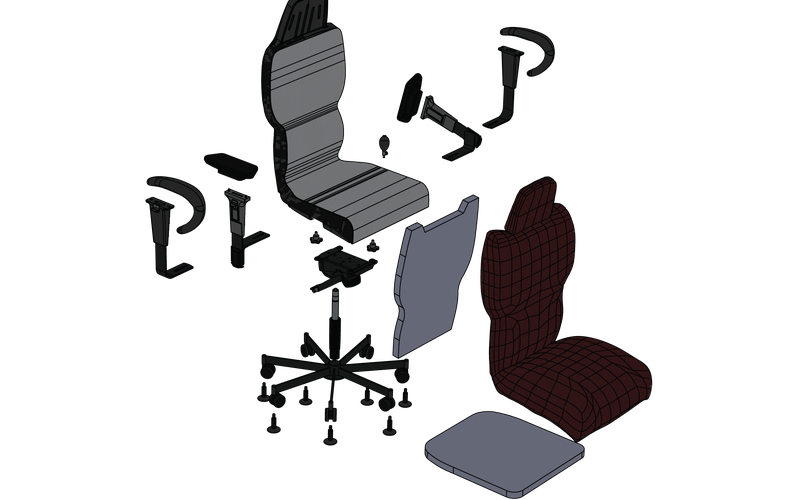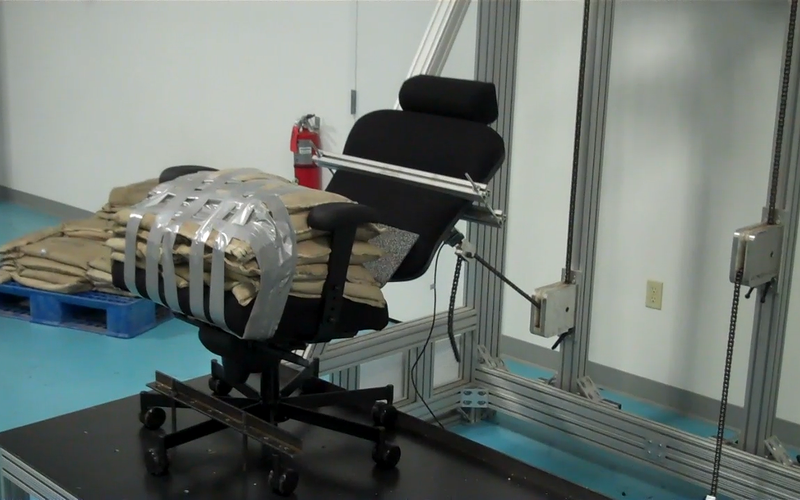
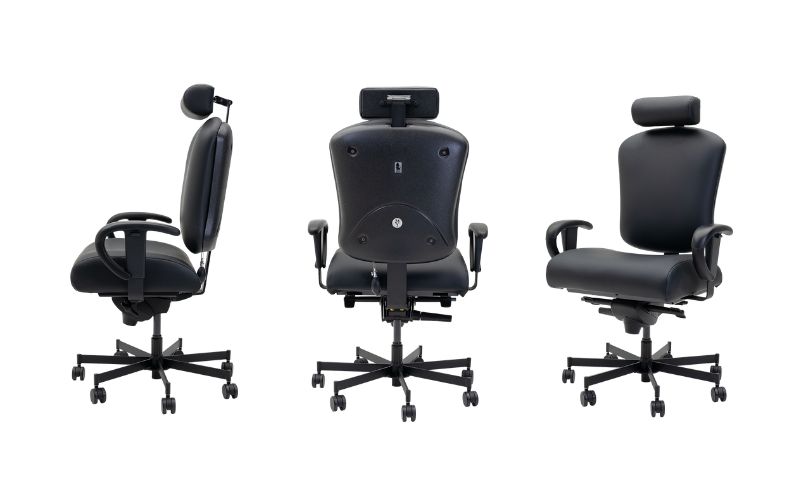
Office chairs for extended shifts require foam that supports body weight while maintaining structure and comfort across many hours of continuous professional desk work environments. Material selection affects posture endurance and reduces fatigue since proper density helps distribute pressure evenly and sustain reliable support through demanding daily office routines.
Understanding foam density for 12-hour comfort helps users choose chairs that deliver lasting performance and consistent support across twelve-hour work sessions without decline.
Foam Density Basics and Performance
High-density foam offers a firm structure that resists compression and maintains seat height under pressure for users to experience stable posture through long sessions without discomfort. Low-density foam feels soft at first contact yet loses form faster under sustained load, so support decreases over time, and pressure points develop during extended seated tasks. Density also affects airflow and temperature since a tighter cell structure can trap heat, while open cells allow more air exchange for cooler seating during long shifts.
Durability and Long-Hour Support
Durability depends on foam composition and density, since higher-density materials resist wear and deformation, so chairs retain support across repeated daily use in demanding environments. Lower-density options may cost less at purchase, yet they degrade faster and require replacement sooner. Consistent support matters for twelve-hour use since foam must sustain body weight without collapse, so spine alignment remains steady, and muscles avoid unnecessary strain during work.
Pressure Distribution and Ergonomic Impact
Proper pressure distribution reduces strain on hips and thighs since foam must contour without sinking too deeply. High-density foam with a responsive design spreads load across the seat surface, so no single area bears excess force during prolonged seated activity in demanding office roles. Investing in one of our 24-hour ergonomic office chairs will ensure you receive balanced support that aligns posture and reduces fatigue across extended sessions without compromise.
Temperature Control and Breathability
Heat buildup affects comfort since prolonged seating increases temperature; the foam must allow airflow to keep the user cool during long hours at a workstation. Open cell structures promote ventilation and reduce moisture accumulation, keeping the seat dry and comfortable across extended shifts in warm office environments. Dense foam may retain heat, yet advanced designs include channels or breathable layers so temperature stays moderate and comfort remains consistent throughout the day.
Selecting the Right Density for Needs
Selecting the right foam density for your office chair depends on user weight and usage duration, since heavier loads require higher-density foam. Lighter users may prefer moderate density that offers comfort with adequate support. Work demands also influence choice since intensive schedules need durable materials so foam performance remains reliable through daily use without loss of structure or comfort.
Office seating quality shapes daily experience since long hours require materials that sustain comfort and support without failure under continuous use in demanding settings. Foam density plays a central role in performance, so informed selection leads to better posture, endurance and overall well-being for professionals with extended desk routines.