The design of a 24-hour office chair goes far beyond simple aesthetics or basic comfort. It represents a deep exploration of materials science, a field dedicated to the discovery and application of new materials. These chairs must endure constant use, provide unwavering support, and maintain their structural integrity for years under demanding conditions.
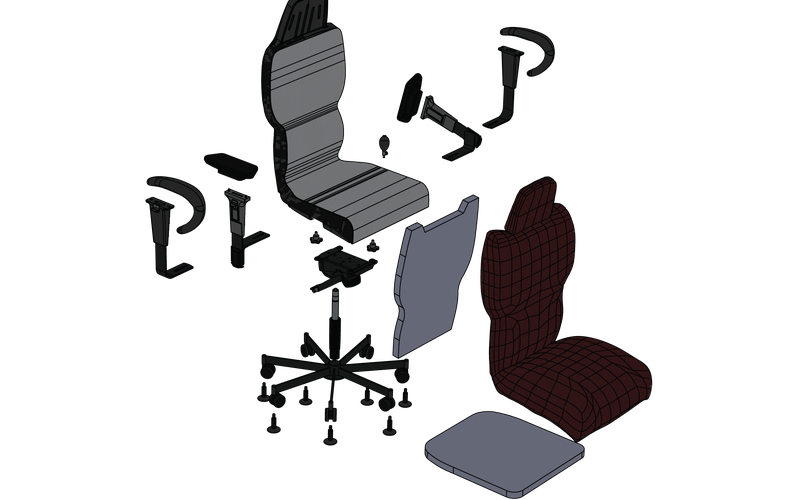
The selection of each component, from the fabric that covers the seat to the casters that touch the floor, involves careful consideration of durability, ergonomics, and performance. The materials science in 24-hour operating chairs ensures they meet the high standards for safety, health, and longevity that professionals in round-the-clock roles require.
Steel Frames
Modern 24-hour chairs often use steel for their primary structural frame elements. This provides an exceptional strength-to-weight ratio for superior performance and easy movement.
Designers mold the steel into complex ergonomic shapes that traditional materials cannot easily form. This process allows for the creation of chairs that offer enhanced lumbar and thoracic support.
High-Density Foam
Seat cushions in intensive-use chairs employ high-density cold-cured foam for resilience and support. This type of foam resists compression set, so it retains its shape over long periods. The foam’s open-cell structure promotes airflow, which helps to regulate temperature for user comfort.
This material distributes pressure evenly across the seat surface to alleviate potential discomfort points. A high-quality 24-hour office chair features advanced foam that delivers a personalized, highly comfortable seat for extended sessions.
Heavy-Duty Fabrics
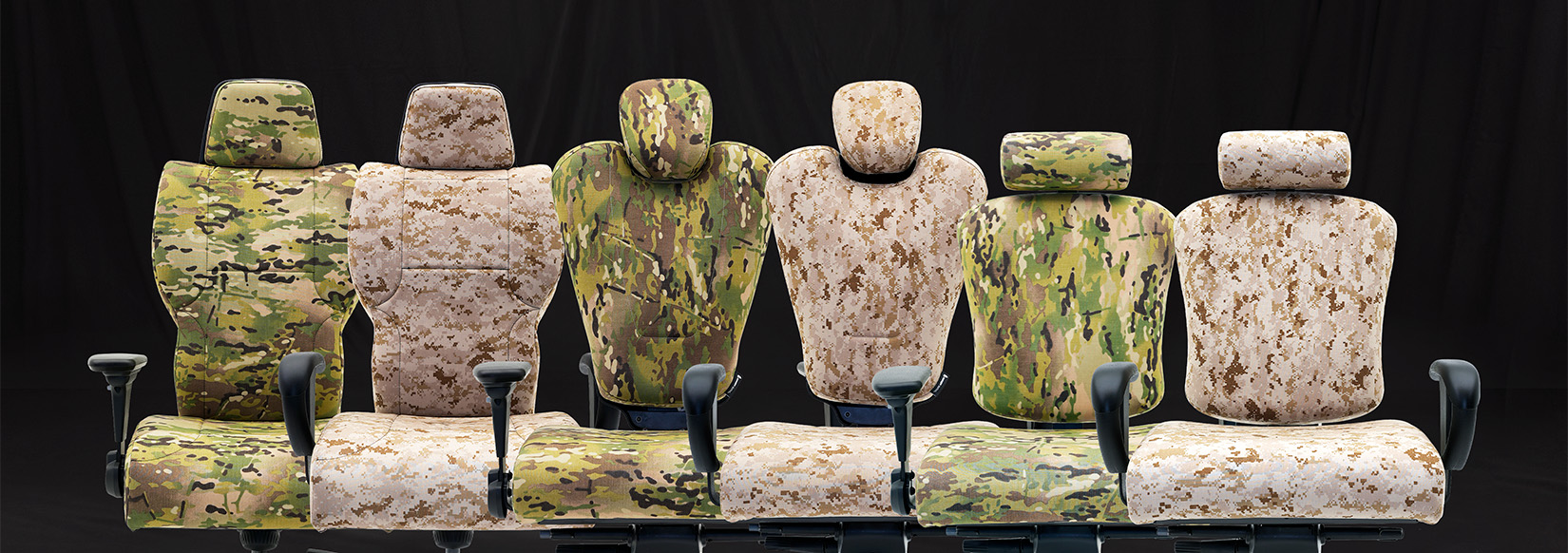
The textiles on 24-hour chairs must possess exceptional abrasion resistance and durability. Manufacturers often select woven fabrics with high double-rub ratings to ensure they withstand constant friction. These technical textiles also feature properties such as stain resistance and easy maintenance for professional settings.
Breathable materials are another popular choice, particularly for the chair’s backrest. These materials offer excellent tensile strength while allowing for continuous air circulation.
Reinforced Metal Components
The base, mechanism, and casters of a 24-hour chair depend on high-strength metal components. Steel and aluminum alloys provide the necessary foundation to support significant weight and constant motion. These metals undergo specific treatments to enhance their hardness and resistance to mechanical stress.
The internal tilt and height adjustment mechanisms also feature reinforced steel for dependable performance. These precision-engineered parts must function flawlessly to allow for a custom fit for each user.
The materials used in 24-hour chairs showcase advanced engineering and thoughtful design. From the reinforced polymer frames to the high-density foams and durable textiles, each element has a specific purpose. These chairs are not merely furniture; they are sophisticated tools that support the health and productivity of people in high-stakes professions.