Office chair selection often centers on aesthetics, comfort, and ergonomic features. However, a fundamental aspect that deserves equal attention is the chair’s weight capacity. This specification is not merely a suggestion; it represents the outcome of careful engineering and rigorous testing.
Manufacturers determine this limit to guarantee user safety, chair longevity, and optimal performance over time. A proper understanding of weight capacity engineering in office chairs allows for an informed purchase that prioritizes comfort and safety for every individual in the office environment.
The Science of Structural Support
Engineers use advanced materials and design principles to create a robust chair frame and base. They select high-strength steel or reinforced polymer compounds to form the core structural components. The final design must distribute weight evenly to prevent stress concentration on any single point.
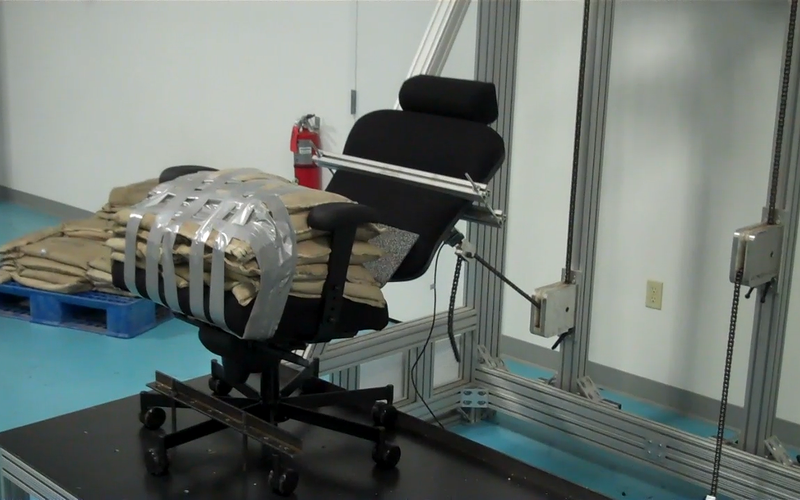
These chairs undergo extensive test cycles to validate their load-bearing capabilities under real-world conditions. Machines simulate years of use to check for metal fatigue, component wear, and overall durability.
Key Components for Heavy-Duty Use
The gas lift cylinder is a central element responsible for height adjustment and weight support. Heavy-duty models feature thicker steel walls and superior internal seals to handle greater force. These enhanced cylinders provide smooth operation and prevent the slow sink common in standard chairs.
A chair’s base and casters also contribute significantly to its overall strength and stability. Bases with a wider diameter, often made from cast aluminum or steel, offer a superior foundation.
Beyond the Standard: BIFMA Tests
The Business and Institutional Furniture Manufacturers Association sets the industry standard for product safety. BIFMA conducts a series of demanding tests that evaluate chair strength, stability, and durability.
A BIFMA certification provides buyers with confidence in the chair’s stated weight capacity and safety. It signifies that an independent body has verified the manufacturer’s claims through standardized procedures.
The Importance of an Accurate Match
Select a chair with a weight capacity that comfortably exceeds the user’s actual weight. This creates a safety margin that accounts for dynamic forces, like lean or push from a desk. A proper match prevents undue stress on the chair’s frame, mechanism, and components.
Investing in high-quality heavyweight office chairs will ensure a safe and comfortable experience for all users. It reduces the risk of structural failure and the associated possibility of workplace accidents.
Longevity and Return on Investment
Proper weight capacity engineering in office chairs offers a much longer operational lifespan. The components, from the casters to the cylinder, avoid excessive strain that can lead to failure. This durability translates directly into a better return on investment for the organization.
A durable, appropriate chair promotes better posture and reduces physical discomfort for the user. This enhances focus and productivity while diminishing the likelihood of musculoskeletal issues over time.
The weight capacity of an office chair is a critical factor based on deliberate engineering and thorough tests. From the selection of high-strength materials to the design of the base and casters, every element plays a role in safely supporting the user. For any organization, selecting chairs with an appropriate weight capacity is a proactive measure.