Office chairs designed for continuous, 24/7 use in demanding environments, such as call centers, control rooms, and dispatch facilities, must meet exceptional standards of durability and performance. Unlike standard office chairs, these heavy-duty models undergo a rigorous series of stress tests to ensure they can withstand constant use by multiple users around the clock.
This testing process simulates years of intensive wear in a compressed timeframe, verifying the chair’s structural integrity, material resilience, and long-term comfort. This blog offers a look at how 24/7 office chairs are stress tested and reveals the advanced engineering required to build a truly reliable chair.
Simulating Constant Use
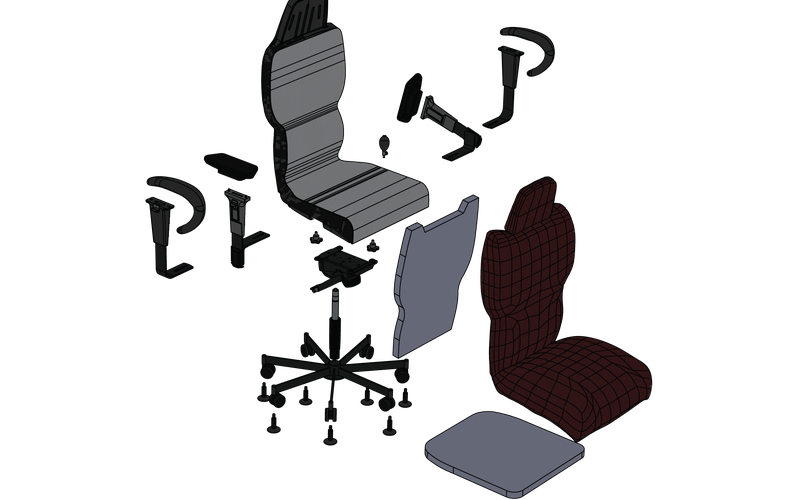
The furniture industry uses the ANSI/BIFMA X5.1 General-Purpose Office Chairs for weight ranges up to 253 pounds and the ANSI/BIFMA X5.11 General-Purpose Large Occupant Office Chairs standards for weights up to 400 pounds. They are comprised of a number of different durability and load tests. These tests evaluate every aspect of the chair including the backrest durability, leg strength, stability, arm strength, tilt mechanism and more. It is important to note that this is the minimum standard for all office chairs—it is not a 24/7 intensive use standard.
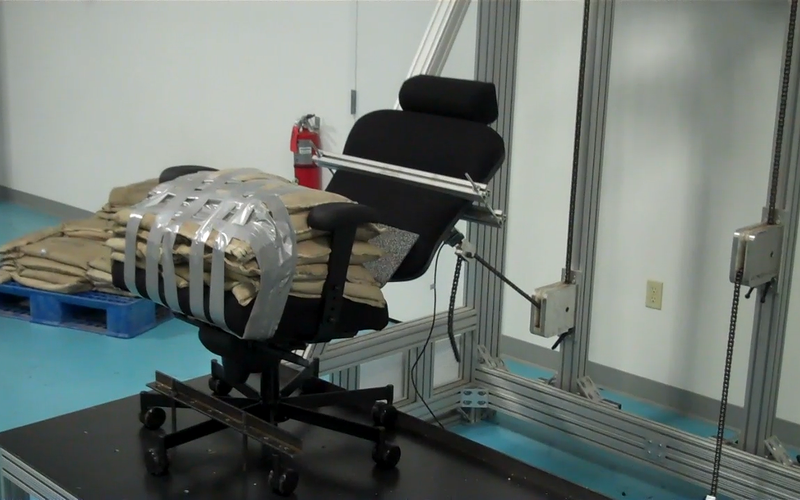
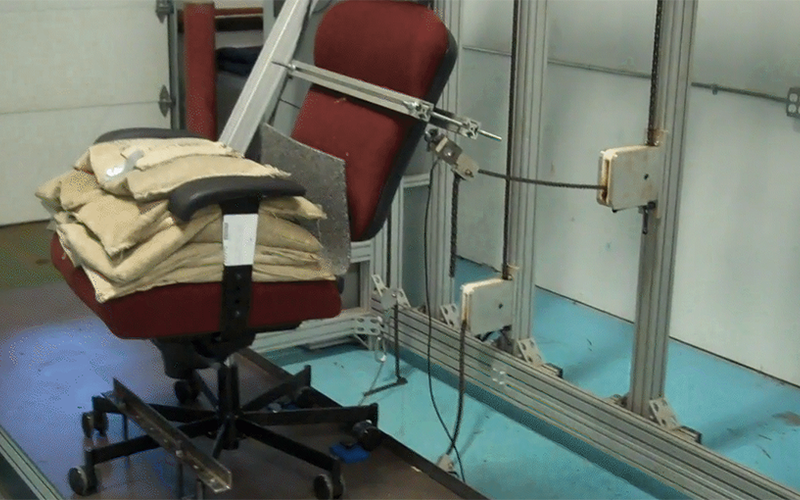
To evaluate the endurance of the seat and backrest, a specialized machine applies significant weight and pressure to the seat and back in a cyclical pattern, repeating the motion hundreds of thousands of times.
This test simulates the actions of people sitting down, shifting their weight, and leaning back repeatedly. Engineers monitor the chair for any signs of structural fatigue, component failure, or degradation in the cushioning.
Evaluating Dynamic Loads
To ensure a chair can handle sudden impacts, manufacturers perform a drop test known as an impact test. In this procedure, a substantial weight drops onto the seat from a specified height. This simulates the force exerted when a person abruptly sits or drops into the chair.
The test assesses the strength of the seat pan, the cylinder, and the base, ensuring they can absorb shock without cracking or breaking. A chair that successfully passes this evaluation is resilient against the dynamic forces of everyday use in a multi-shift environment.
Testing Stability and Strength
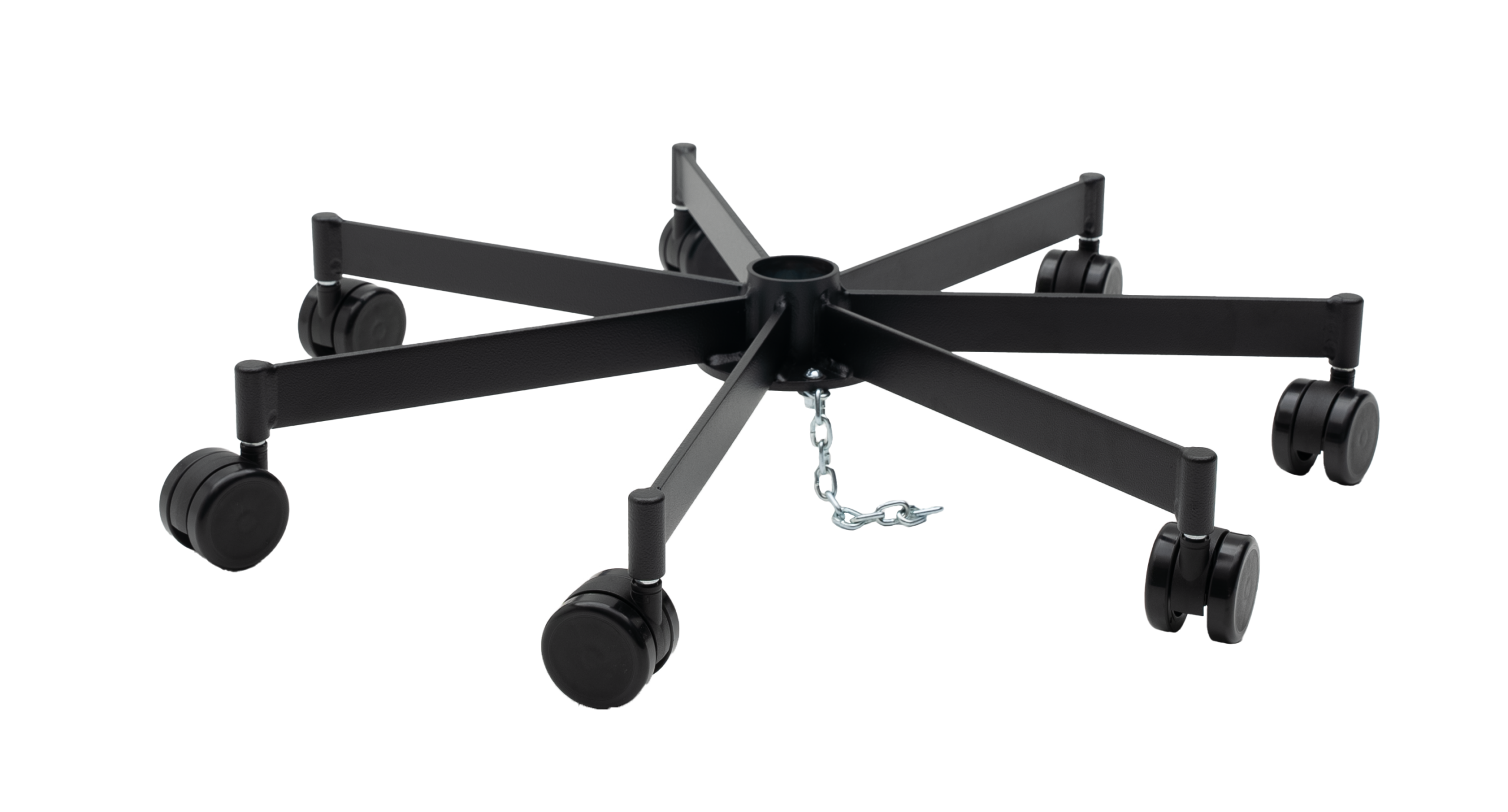
The base, casters, and swivel mechanism all undergo rigorous testing. The casters roll over abrasive surfaces with a heavy load for many miles to simulate movement across different floor types.
Manufacturers test the stability of the chair’s base with a horizontal force to see if it will tip over. One of the main features ofqualityheavy-duty office chairsis their robust construction, which ensures the durability of the swivel mechanism through thousands of rotations.
Assessing Material and Fabric Endurance
The materials used in a 24/7 chair must be as durable as its frame. Fabrics and other upholstery materials undergo abrasion tests, where a machine rubs a standardized abrasive material against the fabric to see how long it takes to show wear.
This test ensures the upholstery can resist fraying, tearing, and thinning due to constant contact and friction. This process guarantees the chair will maintain its professional appearance and comfort even after extensive use.
The stress testing process for 24/7 office chairs is a complex and essential part of their manufacturing. Through a series of demanding evaluations that simulate constant and intensive use, manufacturers verify the durability, safety, and reliability of each component.
From the frame and base to the fabric and adjustable mechanisms, every test ensures the chair can perform in the most challenging work environments. This commitment to quality gives organizations confidence that their investment in heavy-duty seating will provide long-lasting support for their staff.