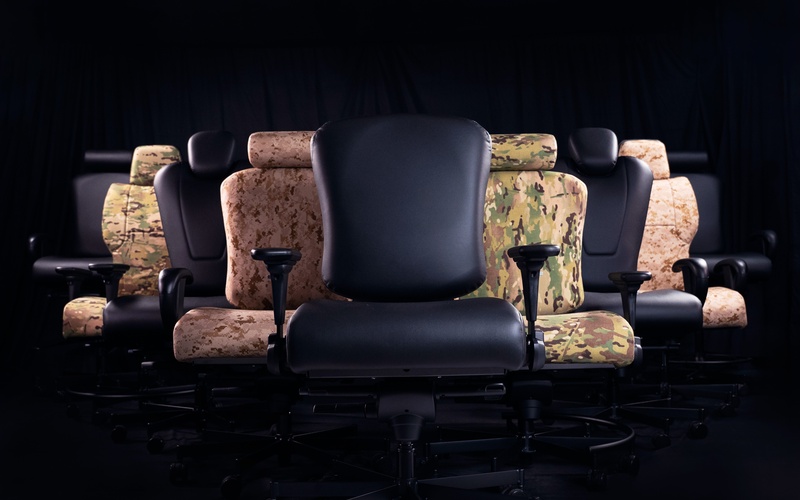
A stool must support people across extended shifts where comfort and dependable structure have a direct effect on daily workplace performance. The number of legs beneath a 24/7 stool matters because the seat can affect balance and weight support as well as how secure each user feels.
Workplaces with constant staff use place far more stress on furniture than offices with standard schedules. A stool with an appropriate leg structure can withstand frequent use and help employees maintain stable posture across demanding work periods.
More Legs Can Create a Stable Foundation
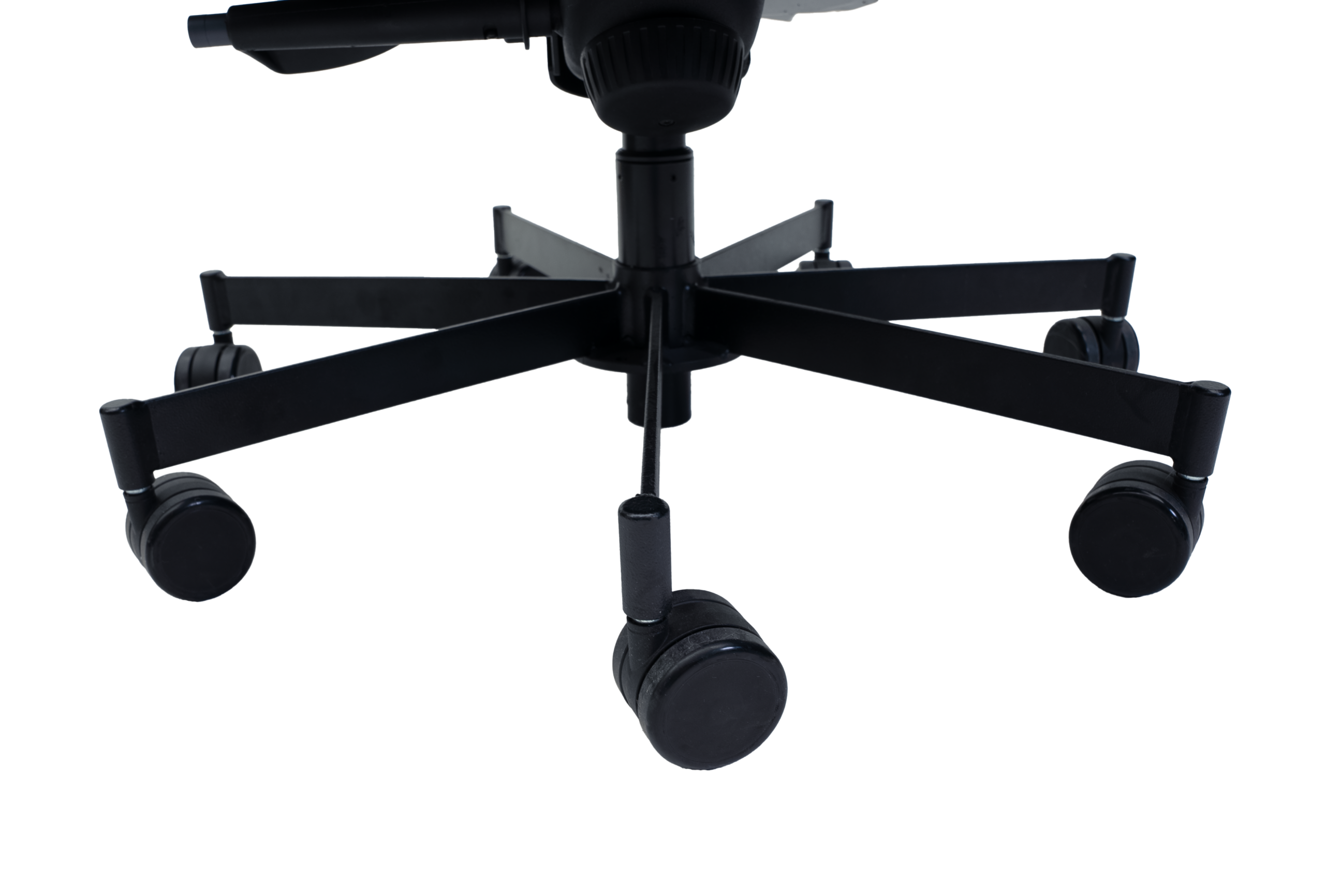
A stool needs a dependable base because users often shift their weight as they reach for equipment or move between nearby work areas. Four or five legs can spread pressure across more contact points and create a firm foundation for users across extended work shifts. A wider leg arrangement can also reduce sudden movement when a user places more weight toward one side of the seat during work.
Leg Count Affects Weight Distribution
Each stool leg accepts part of the user’s weight and transfers that force toward the floor beneath the seat throughout every work period. More support points can distribute that force across the base and reduce excess pressure placed upon individual structural areas of the stool frame. Proper weight distribution can protect key connection points from excess stress and help the stool retain its original structure after frequent daily use.
Stability Supports Better Workplace Comfort
Users can feel physical strain when a stool shifts beneath them because their muscles must react to maintain balance throughout the entire shift. One of the main qualities of a premium ergonomic office stool is its ability to provide dependable support through a stable base. This dependable support can reduce unnecessary physical effort and allow employees to focus more attention on their responsibilities across each extended work period.
Floor Contact Influences Stool Performance
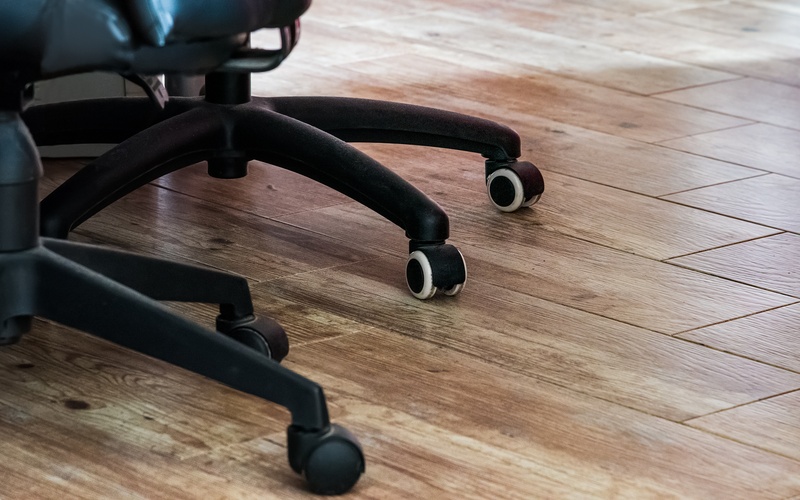
Every leg creates another contact point between the stool and floor, and those points determine how the base responds to pressure from users. A thoughtful leg layout can help maintain even contact across flat surfaces and prevent the stool from favoring one side under normal use. Uneven support can cause unwanted movement and place additional stress on specific parts of the frame after many hours of constant workplace use.
Workplace Demands Should Influence Leg Count
A 24/7 workplace requires furniture that can handle repeated use from employees with different heights and weights across several consecutive work shifts daily. The proper number of legs helps the stool accommodate these changes without sacrificing the dependable support that professional environments expect from durable furniture. A stable leg configuration prepares the stool for constant transitions and helps preserve dependable performance throughout its expected service life at work.
The number of legs on a 24/7 stool is important because the base directly affects how the seat responds under constant use. A well-designed structure provides reliable floor contact and distributes user weight across enough support points for demanding professional environments. The right foundation helps create a dependable seat that remains comfortable and secure throughout extended shifts and repeated workplace use.