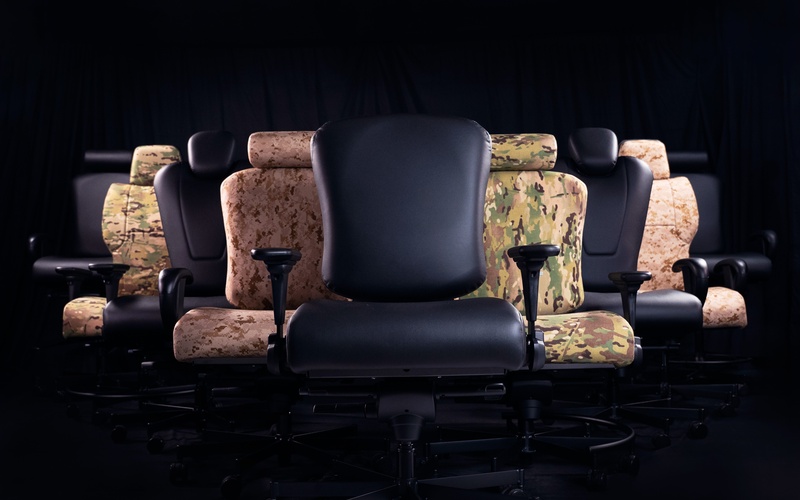
Heavyweight chairs face demands that standard office furniture rarely encounters. Greater user weight places extra force on the seat, frame, base, and central cylinder each time someone sits or changes position. For that reason, cylinder specifications for heavyweight chairs deserve careful attention during chair design and selection.
A dependable heavyweight chair needs a cylinder suited to its actual purpose. User capacity matters, but chair dimensions and structural compatibility also influence the correct specification. Each element must work within the same design rather than rely on one reinforced component to handle every demand.
Weight Ratings Need Careful Evaluation
Cylinder weight ratings provide an important reference, but manufacturers must view those figures within the context of the complete chair. A heavyweight model places pressure across numerous structural components at once. The cylinder must match that overall capacity rather than serve as an isolated high-strength part.
Greater user weight can also produce forces beyond the pressure associated with a person who remains still in the seat. A quick descent into the chair creates a different demand than a steady seated position. Cylinder specifications should reflect realistic use across the chair’s expected work environment.
Cylinder Class Can Affect Structural Strength
Cylinder classifications can help manufacturers identify components intended for different pressure levels and chair applications. Higher classes often use more substantial construction to tolerate greater forces. However, a classification alone does not reveal every detail that determines suitability for a heavyweight chair.
Manufacturers should examine technical data that explains how the cylinder performs under the conditions expected from the finished seat. Material thickness and internal construction deserve close attention. A strong classification has greater value when its complete specifications correspond with the chair’s actual structural demands.
The Base and Cylinder Must Work Together
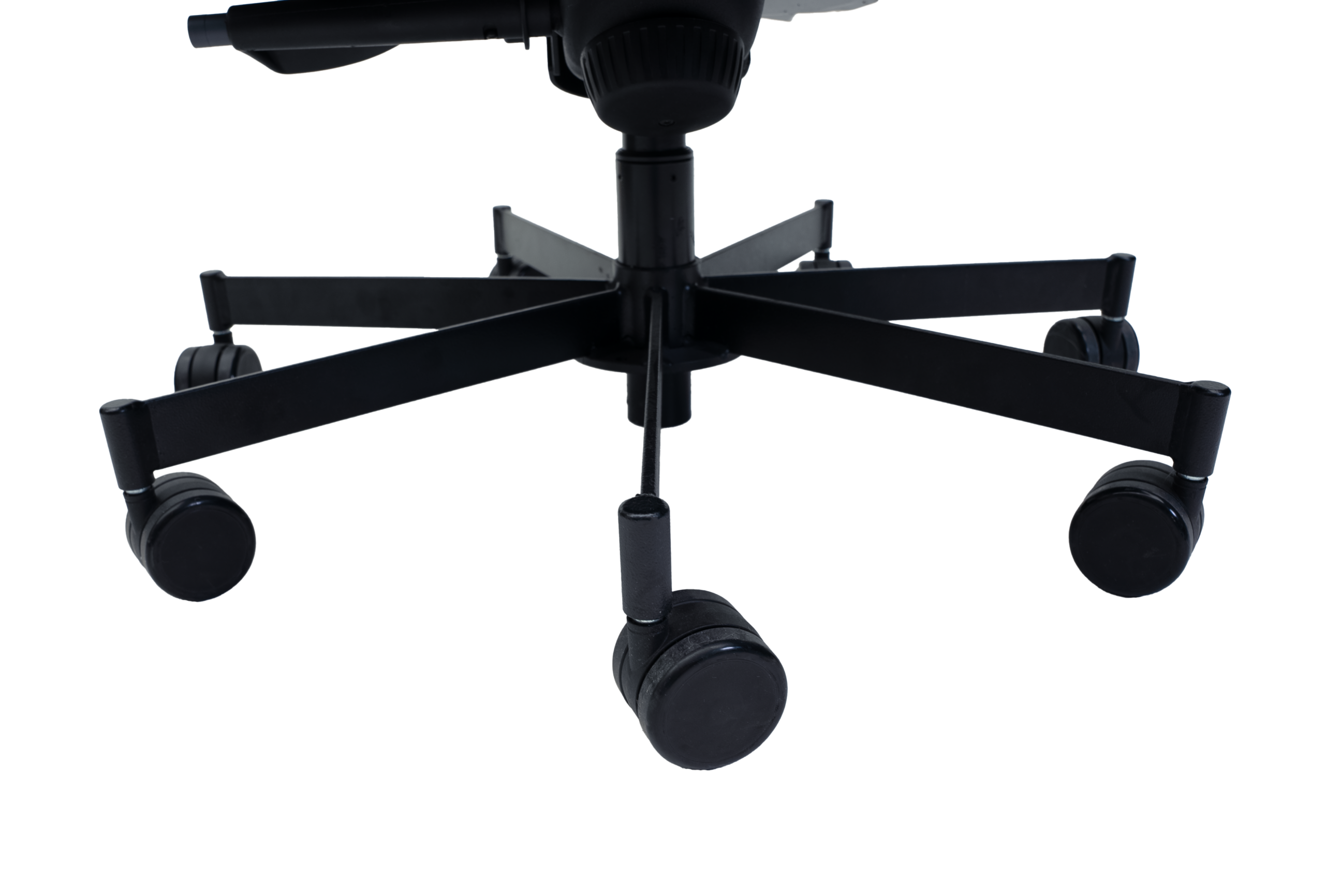
A strong cylinder cannot perform properly if its connection with the base lacks the correct fit. The two components transfer significant forces whenever someone sits or shifts weight across the chair. Even minor incompatibility can create movement that reduces confidence in the seat.
Premium heavyweight office chairs are the best solution to provide dependable support when users place substantial demands on workplace seating. That reliability comes from components designed to function together. The cylinder, base, frame, and seat mechanism should share compatible specifications across the complete chair structure.
Diameter Has a Direct Role in Chair Design
Cylinder diameter influences both structural support and compatibility with the rest of the chair. Heavyweight applications may require more substantial dimensions to accommodate the forces placed through the central support area. Those dimensions still need to fit the chair mechanism and base correctly.
A larger component does not automatically create a better chair. Excessive dimensions can introduce fit problems when the surrounding structure does not have the proper design. Engineers need dimensions that complement the complete chair without forcing modifications that weaken connections elsewhere in the assembly.
The cylinder requirements for a heavyweight chair are more than a simple comparison of maximum weight ratings. Their dimensions, structural strength, adjustment range, construction, and compatibility all affect how the finished chair responds under substantial pressure. Appropriate specifications help the chair maintain a stable structure and predictable seat response throughout regular use.