Proper ergonomic support at your workstation promotes comfort and long-term health throughout your professional day. Office chair armrests play a significant part in your overall posture and upper body alignment.
Incorrect armrest positions often lead to subtle discomfort that can develop into more serious physical issues. You can identify the need for adjustments with attention to specific physical cues and equipment behavior. These signs that your office chair’s armrests need adjustment will help you maintain a healthy, productive work environment and achieve optimal performance.
Shoulder Strain and Neck Discomfort
Your shoulders may feel tense or elevated toward your ears after a period of work. Over time, this constant elevation leads to significant muscle fatigue and persistent neck soreness.
Incorrect armrest height can also cause your shoulders to slump forward or downward without support. This lack of support strains the muscles in your upper back, neck, and shoulders. Proper adjustment provides the support necessary to prevent the gradual onset of upper body pain.
Incorrect Wrist Angles and Forearm Pressure
Your wrists should maintain a straight, neutral line relative to your forearms for proper ergonomics. Armrests that are too high or too low will force your wrists into awkward flexion or extension. This poor alignment places undue stress on the tendons and nerves within your wrists.
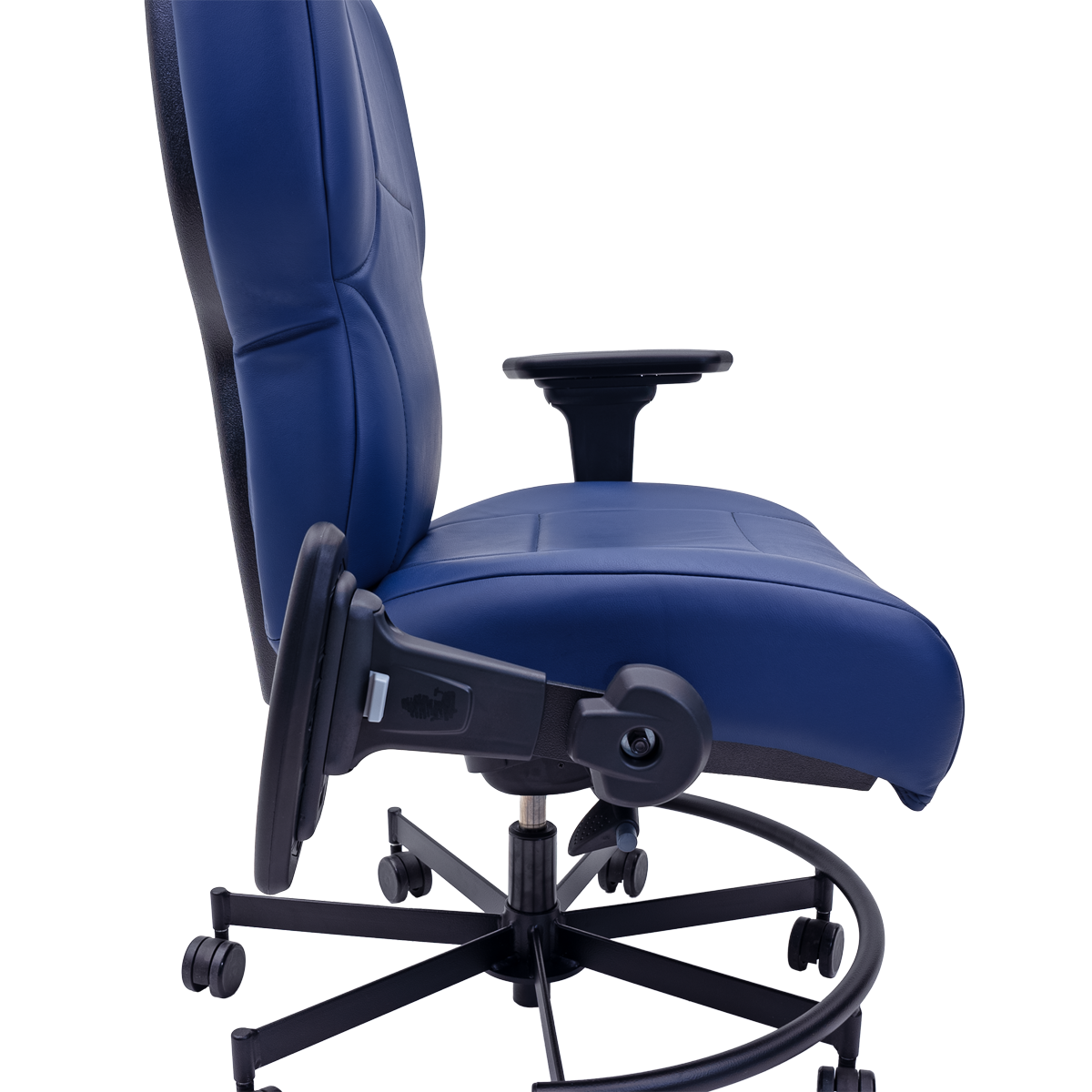
Your forearms should rest comfortably without any sensation of focused pressure from the armrest surface. When you invest in high-qualityheavyweight office chairs, you can enjoy features that prevent such discomfort. You can adjust the armrest width and height to distribute support evenly across the length of your forearms.
Limited Desk Clearance and Mobility
You may notice that your chair’s armrests hit the edge of your desk during tasks. This collision prevents you from pulling your chair close enough to your primary work area. Consequently, you might lean forward without back support, which compromises your entire posture.
Restricted movement also affects your ability to reach for items or shift your position comfortably. Adjust the armrest width inward so your arms rest close to your body’s sides. This simple change allows for greater freedom of movement without unnecessary physical strain.
Constant Posture Shifts and Body Fidgets
You may find yourself unable to sit still and frequently shift your body to find comfort. This restlessness often stems from a lack of stable support from your chair’s components. Improper armrest height or width forces you to constantly adjust your seated position to find a more comfortable one.
A tendency to lean heavily on one armrest is one of the clear signs your office chair armrests need to be adjusted for support. This habit can create an imbalance in your spine and lead to one-sided muscle strain. Ensure both armrests are at the same height to encourage a balanced, upright posture.
Your office chair is a tool for productivity, and its proper adjustment is essential for your well-being. Small adjustments to armrest height, width, and stability can create a large impact on your daily comfort. A well-adjusted chair supports your body, improves your focus, and contributes to a healthier work life.